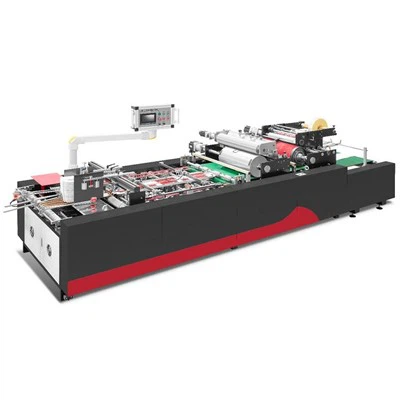
In the world of packaging technology, window patching machines play a crucial role in enhancing the visual appeal and functionality of packaging. As a dedicated supplier of Window Patching Machines, I've witnessed firsthand the diverse needs of our clients and the wide range of options available in the market. One of the most common questions we receive is about the difference between manual and electric window patching machines. In this blog post, I'll delve into the intricacies of these two types of machines, highlighting their features, advantages, and limitations to help you make an informed decision for your packaging needs.
Manual Window Patching Machines
Manual window patching machines are the traditional workhorses of the packaging industry. These machines rely on human operation to perform the window patching process. They are typically compact, easy to set up, and relatively affordable, making them a popular choice for small - scale businesses or those with limited budgets.

Features
- Simplicity: Manual machines are straightforward in design and operation. They usually consist of a base, a cutting mechanism, and an adhesive application system. Operators simply place the packaging material and the window film onto the machine, align them, and then use a hand - operated lever or crank to cut the film and attach it to the packaging.
- Portability: Due to their compact size and lack of a power source requirement, manual window patching machines are highly portable. They can be easily moved around the workspace or transported to different locations as needed.
- Customization: Manual machines offer a high degree of customization. Operators can adjust the cutting size and shape of the window film according to specific requirements, allowing for a wide range of packaging designs.
Advantages
- Low Cost: The initial investment for a manual window patching machine is significantly lower compared to electric ones. This makes it an attractive option for startups or small businesses that are looking to minimize their capital expenditure.
- Low Maintenance: With fewer moving parts and no electrical components, manual machines are relatively easy to maintain. Routine maintenance typically involves cleaning the cutting blades and lubricating the moving parts, which can be done in - house without the need for specialized technicians.
- Flexibility: Manual machines are well - suited for short - run production or custom jobs. They can quickly adapt to changes in packaging design or production volume, as operators can easily adjust the settings and perform the patching process manually.
Limitations
- Low Productivity: The manual operation of these machines means that the production speed is limited by the operator's skill and physical ability. This can result in lower productivity compared to electric machines, especially for large - scale production.
- Inconsistent Quality: The quality of the window patching can vary depending on the operator's technique. Human error can lead to issues such as uneven cutting, inaccurate alignment, or insufficient adhesive application, which may affect the overall appearance and functionality of the packaging.
- Operator Fatigue: Performing repetitive manual tasks can cause operator fatigue, especially during long - shift operations. This not only affects productivity but also increases the risk of injuries.
Electric Window Patching Machines
Electric window patching machines, on the other hand, are powered by electricity and offer a higher level of automation and efficiency. They are designed for medium to large - scale production and are capable of handling high - volume orders.
Features
- Automation: Electric machines are equipped with advanced control systems that automate the window patching process. They can automatically feed the packaging material and window film, cut the film to the desired size, apply adhesive, and attach the film to the packaging with high precision.
- High - Speed Operation: These machines are capable of operating at much higher speeds compared to manual machines. This allows for increased production output, making them ideal for mass - production environments.
- Precision and Consistency: Electric machines use sensors and computer - controlled mechanisms to ensure accurate cutting and alignment of the window film. This results in a consistent and high - quality finish for every package.
Advantages
- High Productivity: The automation and high - speed operation of electric window patching machines significantly increase productivity. They can produce a large number of packages in a short period of time, reducing production lead times and meeting tight deadlines.
- Consistent Quality: Thanks to their advanced control systems, electric machines can maintain a high level of quality and consistency throughout the production process. This helps to enhance the brand image and customer satisfaction.
- Reduced Labor Costs: With the automation of the window patching process, the need for manual labor is significantly reduced. This not only saves on labor costs but also minimizes the risk of operator fatigue and injuries.
Limitations
- High Initial Investment: Electric window patching machines are more expensive than manual ones. The cost of purchasing, installing, and maintaining these machines can be a significant financial burden for small businesses.
- Complexity: Electric machines are more complex in design and operation compared to manual machines. They require specialized training for operators and may need professional technicians for maintenance and repairs.
- Lack of Flexibility: Electric machines are often designed for specific types of packaging materials and window films. They may not be as adaptable to changes in packaging design or production volume as manual machines.
Choosing the Right Machine for Your Business
When deciding between a manual and an electric window patching machine, several factors need to be considered:
- Production Volume: If you have a high - volume production requirement, an electric machine is the better choice as it can handle large - scale orders efficiently. For small - scale or short - run production, a manual machine may be more suitable.
- Budget: Your budget will play a crucial role in your decision. If you have limited funds, a manual machine offers a cost - effective solution. However, if you can afford the initial investment, an electric machine can provide long - term savings through increased productivity and reduced labor costs.
- Product Complexity: If your packaging requires a high degree of customization or has complex design features, a manual machine may be more flexible. On the other hand, if your products have a standard design and you need consistent quality, an electric machine is the way to go.
- Available Space: Consider the space available in your production facility. Manual machines are compact and take up less space, while electric machines may require a larger area due to their size and additional equipment.
Conclusion
In conclusion, both manual and electric window patching machines have their own unique features, advantages, and limitations. As a Window Patching Machines supplier, we understand that every business has different needs, and choosing the right machine is crucial for the success of your packaging operations.
If you are still unsure which type of window patching machine is best for your business, or if you have any questions about our products, we encourage you to contact us. Our team of experts is ready to provide you with detailed information and guidance to help you make the right decision. Whether you are a small startup or a large - scale manufacturer, we can offer you the perfect window patching solution to meet your production needs.
References
- Packaging Machinery Handbook, various authors
- Journal of Packaging Technology, multiple issues covering window patching technology