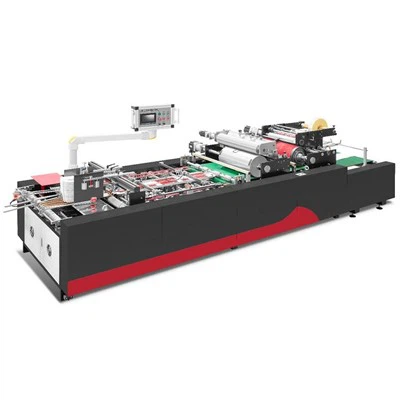
Bubbles in the lamination process can be a significant headache for many users. As a supplier of automatic laminating machines, I understand the importance of addressing this issue effectively to ensure high-quality lamination results. In this blog post, I will share some insights on how to handle bubbles in the lamination process and provide some practical tips to help you achieve optimal results.
Understanding the Causes of Bubbles in the Lamination Process
Before we can discuss how to handle bubbles in the lamination process, it's important to understand the causes of this issue. There are several factors that can contribute to the formation of bubbles in the lamination process, including:


- Inadequate Adhesive Application: One of the most common causes of bubbles in the lamination process is inadequate adhesive application. If the adhesive is not applied evenly or in the correct amount, it can result in bubbles forming between the laminating film and the substrate.
- Air Trapped in the Laminating Process: Another common cause of bubbles in the lamination process is air trapped between the laminating film and the substrate. This can occur if the laminating machine is not properly adjusted or if the laminating film is not applied smoothly.
- Contamination on the Substrate or Laminating Film: Contamination on the substrate or laminating film can also cause bubbles to form in the lamination process. This can include dust, dirt, or other debris that gets trapped between the laminating film and the substrate.
- Incorrect Laminating Temperature or Pressure: Incorrect laminating temperature or pressure can also contribute to the formation of bubbles in the lamination process. If the temperature is too high or the pressure is too low, it can cause the adhesive to bubble or the laminating film to wrinkle.
Tips for Handling Bubbles in the Lamination Process
Now that we understand the causes of bubbles in the lamination process, let's discuss some tips for handling this issue:
- Ensure Proper Adhesive Application: To prevent bubbles from forming in the lamination process, it's important to ensure that the adhesive is applied evenly and in the correct amount. This can be achieved by using a high-quality adhesive applicator and following the manufacturer's instructions carefully.
- Eliminate Air Trapped in the Laminating Process: To eliminate air trapped in the lamination process, it's important to ensure that the laminating machine is properly adjusted and that the laminating film is applied smoothly. This can be achieved by using a roller or a squeegee to remove any air bubbles that may form during the lamination process.
- Clean the Substrate and Laminating Film: To prevent contamination from causing bubbles to form in the lamination process, it's important to clean the substrate and laminating film before the lamination process. This can be achieved by using a clean, dry cloth or a cleaning solution to remove any dust, dirt, or other debris that may be present on the substrate or laminating film.
- Adjust the Laminating Temperature and Pressure: To ensure that the laminating process is carried out at the correct temperature and pressure, it's important to adjust the laminating machine accordingly. This can be achieved by referring to the manufacturer's instructions or by conducting some test runs to determine the optimal temperature and pressure settings for your specific application.
Using a High-Quality Automatic Laminating Machine
In addition to following the tips outlined above, using a high-quality automatic laminating machine can also help to prevent bubbles from forming in the lamination process. A high-quality automatic laminating machine is designed to provide consistent, reliable results and can help to ensure that the laminating process is carried out smoothly and efficiently.
When choosing an automatic laminating machine, it's important to consider the following factors:
- Laminating Speed: The laminating speed of the machine is an important factor to consider, especially if you have a high-volume lamination application. A machine with a higher laminating speed can help to increase productivity and reduce the time required to complete the lamination process.
- Laminating Width: The laminating width of the machine is another important factor to consider, especially if you need to laminate large-format materials. A machine with a wider laminating width can help to accommodate larger materials and can provide more flexibility in your lamination application.
- Adhesive Type: The type of adhesive used in the laminating process is also an important factor to consider. Different types of adhesives have different properties and are suitable for different applications. It's important to choose an adhesive that is compatible with your substrate and laminating film and that provides the desired level of adhesion.
- Ease of Use: The ease of use of the machine is also an important factor to consider, especially if you are new to the lamination process. A machine that is easy to operate and maintain can help to reduce the learning curve and can make the lamination process more efficient and enjoyable.
Conclusion
Bubbles in the lamination process can be a frustrating and time-consuming issue to deal with. However, by understanding the causes of this issue and following the tips outlined in this blog post, you can help to prevent bubbles from forming in the lamination process and achieve high-quality lamination results. Additionally, using a high-quality automatic laminating machine can also help to ensure that the lamination process is carried out smoothly and efficiently. If you have any questions or need further assistance with your lamination application, please don't hesitate to contact us. We are a leading supplier of automatic laminating machines and can provide you with the expertise and support you need to achieve optimal results.