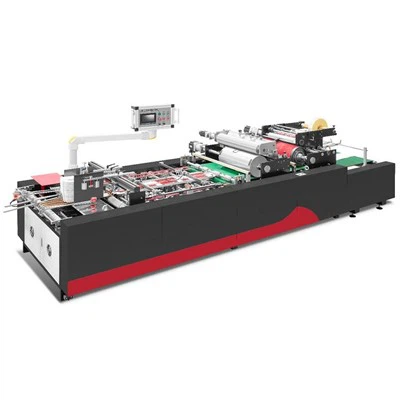
Can an automatic blanking machine be used for non - standard material cutting?
As a supplier of automatic blanking machines, I often encounter inquiries from customers about the machine's capabilities, especially when it comes to cutting non - standard materials. In this blog post, I will explore whether an automatic blanking machine can be used for non - standard material cutting and provide some insights based on our experience in the industry.
Understanding Automatic Blanking Machines
Automatic blanking machines are designed to cut various materials into specific shapes and sizes with high precision and efficiency. These machines use advanced technologies such as hydraulic systems, servo motors, and computer - controlled systems to ensure accurate cutting operations. They are commonly used in industries like automotive, electronics, packaging, and textiles for mass - producing parts and components.
The standard operation of an automatic blanking machine involves feeding a sheet of material into the machine, which then uses a die to punch out the desired shape. The die is custom - made according to the specific design requirements, and the machine can perform multiple punches in a short period, making it highly productive.
What are Non - standard Materials?
Non - standard materials refer to those that do not conform to the common specifications in terms of size, thickness, hardness, or composition. For example, some materials may have irregular shapes, non - uniform thicknesses, or unique chemical properties. These materials can pose challenges for traditional cutting methods and may require specialized equipment to handle them effectively.
Examples of non - standard materials include thick and hard alloys used in aerospace applications, flexible and stretchable polymers for medical devices, and composite materials with complex structures.
Can Automatic Blanking Machines Cut Non - standard Materials?
The answer is yes, but with certain considerations. Automatic blanking machines can be used for non - standard material cutting, but the process may need to be adjusted to accommodate the unique characteristics of these materials.
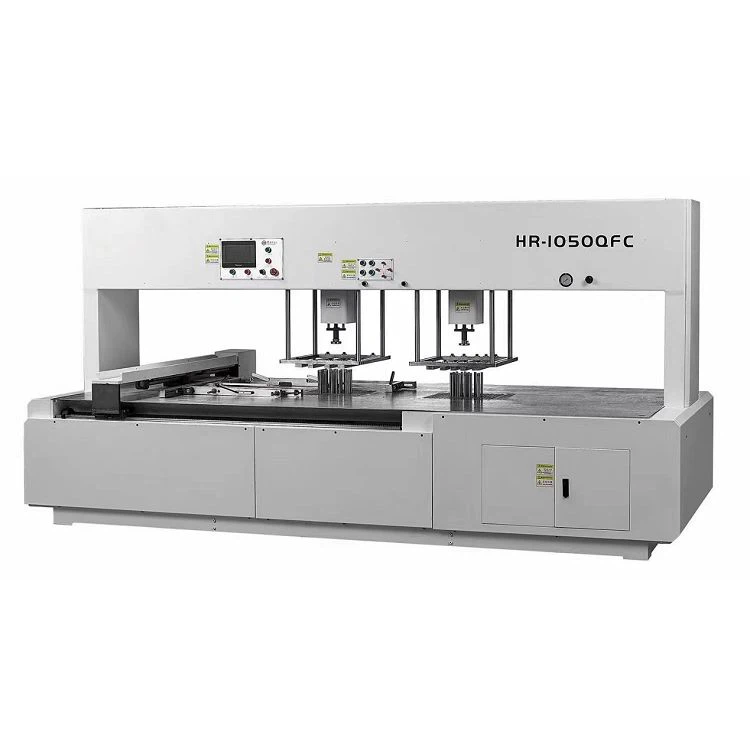

1. Material Compatibility
The first factor to consider is the compatibility of the non - standard material with the automatic blanking machine. Some materials may be too hard, brittle, or sticky for the machine's cutting mechanism. For instance, extremely hard materials like tungsten carbide may require a more powerful machine with a high - pressure hydraulic system. On the other hand, sticky materials may cause the die to clog, affecting the cutting quality.
Our HR - 1050QFC Automatic Blanking Machine is designed with a robust hydraulic system that can handle a wide range of materials, including some non - standard ones. It has adjustable pressure settings, allowing operators to optimize the cutting force according to the material's hardness.
2. Die Design
The die is a crucial component in the blanking process, especially when dealing with non - standard materials. A well - designed die can ensure clean and precise cuts. For non - standard materials, the die may need to be customized to match the material's shape and properties.
For example, if the material has an irregular shape, the die must be fabricated to follow that contour. Additionally, the die's cutting edge may need to be made of a more wear - resistant material to withstand the unique stresses exerted by the non - standard material. Our company offers custom die - making services to meet the diverse needs of our customers.
3. Machine Adjustment
To cut non - standard materials effectively, the automatic blanking machine may need to be adjusted in terms of speed, feed rate, and pressure. Slower cutting speeds may be required for materials that are difficult to cut to prevent damage to the material and the machine.
The HR - 1050QF Automatic Blanking Machine features a programmable control system that allows operators to easily adjust these parameters. This flexibility makes it suitable for cutting a variety of non - standard materials.
Advantages of Using Automatic Blanking Machines for Non - standard Material Cutting
1. Precision
Automatic blanking machines offer high precision in cutting, even for non - standard materials. The computer - controlled systems ensure that the cuts are made with consistent accuracy, which is crucial for parts and components that need to fit precisely into larger assemblies.
2. Efficiency
Compared to manual cutting methods, automatic blanking machines can significantly increase productivity. They can perform multiple cuts in a short time, reducing production time and labor costs.
3. Versatility
With the ability to adjust parameters and use custom dies, automatic blanking machines can be adapted to cut a wide range of non - standard materials, providing a versatile solution for various industries.
Challenges and Solutions
1. Cost
The customization of dies and the adjustment of machines for non - standard material cutting can increase the overall cost. However, by partnering with a reliable supplier like us, you can benefit from our economy of scale and expertise in optimizing the process to reduce costs.
2. Technical Expertise
Operating an automatic blanking machine for non - standard material cutting requires technical knowledge and experience. Our company provides comprehensive training and after - sales support to ensure that our customers can operate the machines effectively.
Conclusion
In conclusion, an automatic blanking machine can be used for non - standard material cutting, but it requires careful consideration of material compatibility, die design, and machine adjustment. Our automatic blanking machines, such as the HR - 1050QFC Automatic Blanking Machine and HR - 1050QF Automatic Blanking Machine, are designed to offer the flexibility and precision needed for cutting a variety of non - standard materials.
If you are interested in using our automatic blanking machines for non - standard material cutting or have any questions about our products, please feel free to contact us for procurement and further discussions. We are committed to providing you with the best solutions for your cutting needs.
References
- Smith, J. (2018). Handbook of Metal Cutting. New York: Wiley.
- Doe, A. (2019). Advances in Automatic Manufacturing Technology. London: Elsevier.