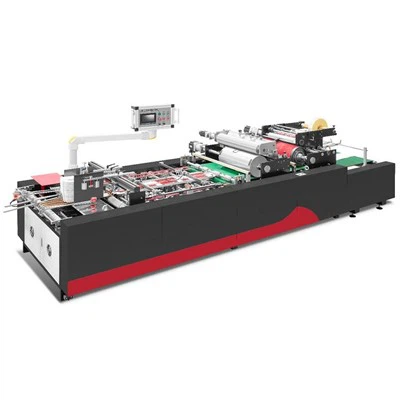
Hey there! As a supplier of Automatic Corner Pasting Machines, I've seen firsthand the importance of ensuring paste bonding reliability. It's a key factor that can make or break the quality of the final product. So, in this blog post, I'm gonna share some tips and tricks on how to achieve top-notch paste bonding reliability with your Automatic Corner Pasting Machine.
1. Choose the Right Paste
The type of paste you use plays a crucial role in the bonding process. You need to select a paste that is specifically designed for the materials you're working with. For example, if you're pasting corners on cardboard boxes, you'll want a paste that has good adhesion to cardboard. Some pastes are also formulated to dry quickly, which can increase your production efficiency.
There are different types of pastes available in the market, such as water-based pastes, solvent-based pastes, and hot-melt adhesives. Water-based pastes are environmentally friendly and easy to clean up, but they may take longer to dry. Solvent-based pastes offer strong bonding but can be hazardous due to the solvents they contain. Hot-melt adhesives dry very quickly and provide a strong bond, but they require special equipment to apply.
Do some research and test different pastes to find the one that works best for your specific application. You can also consult with the paste manufacturer for recommendations based on your machine and materials.
2. Prepare the Surfaces
Proper surface preparation is essential for good paste bonding. Before applying the paste, make sure the surfaces to be bonded are clean, dry, and free of dust, grease, or other contaminants. Any dirt or debris on the surfaces can prevent the paste from adhering properly.
You can clean the surfaces using a mild detergent and water, followed by a thorough rinse and drying. For more stubborn contaminants, you may need to use a specialized cleaning agent. Once the surfaces are clean, allow them to dry completely before proceeding with the pasting process.
3. Adjust the Machine Settings
Your Automatic Corner Pasting Machine has various settings that can affect the paste bonding quality. You need to adjust these settings correctly to ensure optimal performance.
- Paste Application Amount: The amount of paste applied should be sufficient to create a strong bond but not too much that it causes mess or seepage. Most machines allow you to adjust the paste flow rate. Start with a small amount and gradually increase it until you achieve the desired bonding strength.
- Pressure: The pressure applied during the pasting process is crucial for ensuring good contact between the paste and the surfaces. Adjust the pressure settings according to the thickness and type of materials you're working with. Too much pressure can damage the materials, while too little pressure may result in a weak bond.
- Speed: The speed at which the machine operates can also impact the paste bonding. A slower speed allows more time for the paste to spread and bond properly, while a faster speed can increase production efficiency but may sacrifice some bonding quality. Find the right balance between speed and quality based on your production requirements.
4. Maintain the Machine
Regular maintenance of your Automatic Corner Pasting Machine is vital for ensuring reliable paste bonding. A well-maintained machine will operate more efficiently and produce consistent results.
- Clean the Machine: Clean the paste application system, rollers, and other parts of the machine regularly to prevent paste buildup. Paste residue can clog the nozzles or affect the paste flow, leading to uneven bonding. Use a suitable cleaning solution and follow the manufacturer's instructions for cleaning.
- Lubricate Moving Parts: Lubricate the moving parts of the machine, such as bearings and gears, as recommended by the manufacturer. This will reduce friction and wear, ensuring smooth operation and preventing breakdowns.
- Inspect and Replace Worn Parts: Periodically inspect the machine for any worn or damaged parts. Replace these parts promptly to avoid any issues that could affect the paste bonding quality.
5. Train the Operators
Even the best Automatic Corner Pasting Machine won't perform well if the operators don't know how to use it correctly. Provide comprehensive training to your operators on how to operate the machine, adjust the settings, and troubleshoot common problems.


- Safety Training: Ensure that operators are aware of all safety procedures and guidelines when using the machine. This includes wearing appropriate safety gear, such as gloves and goggles, and following proper startup and shutdown procedures.
- Machine Operation Training: Train operators on how to load the materials, adjust the machine settings, and monitor the paste bonding process. They should also know how to clean and maintain the machine to keep it in good working condition.
- Problem-Solving Training: Teach operators how to identify and solve common problems, such as paste clogs, uneven bonding, or machine malfunctions. This will help minimize downtime and ensure continuous production.
6. Quality Control
Implement a quality control system to monitor the paste bonding quality of your products. This can help you detect any issues early and take corrective actions before they become major problems.
- Visual Inspection: Regularly inspect the pasted corners for any signs of weak bonding, such as gaps, bubbles, or uneven paste distribution. Use a magnifying glass if necessary to detect small defects.
- Bond Strength Testing: Periodically test the bond strength of the pasted corners using a suitable testing method. This can give you a quantitative measure of the bonding quality and help you ensure that it meets your specifications.
- Record Keeping: Keep records of the paste bonding quality, machine settings, and any corrective actions taken. This will help you track trends over time and identify any areas for improvement.
Related Machines
If you're in the business of making rigid boxes, you might also be interested in some of our other machines. Check out the MC - PY - 8 Touch Screen Air Pressing Machine, which can provide additional pressing and shaping functions for your boxes. The LS - 1200F Automatic Cardboard Slitting Machine is great for accurately slitting cardboard to the right size. And the LS - 1246E Automatic Rigid Box Making Machine can handle the entire box-making process from start to finish.
Conclusion
Ensuring the paste bonding reliability of an Automatic Corner Pasting Machine requires a combination of the right paste selection, proper surface preparation, correct machine settings, regular maintenance, operator training, and quality control. By following these tips, you can improve the quality of your paste bonding and increase the overall efficiency of your production process.
If you're interested in purchasing an Automatic Corner Pasting Machine or have any questions about our products, feel free to get in touch with us for a procurement discussion. We're here to help you find the best solutions for your business needs.
References
- "Adhesive Bonding Technology" by John A. Manson and Richard A. Hertzberg.
- Manufacturer's manuals of Automatic Corner Pasting Machines.