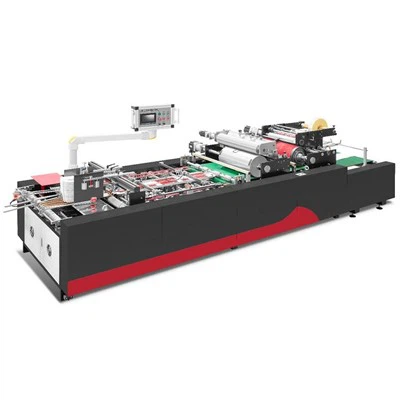
Hey there! I'm a supplier of Smart Rigid Box Making Machines, and I know how crucial it is to calibrate these machines for accurate production. In this blog, I'll share some tips and tricks on how to do just that.
First things first, let's talk about why calibration is so important. A well - calibrated Smart Rigid Box Making Machine ensures that the boxes you produce are of high quality, with consistent dimensions and a professional finish. This not only boosts customer satisfaction but also saves you money in the long run by reducing waste and rework.
Understanding the Basics of Your Machine
Before you start calibrating, you need to have a solid understanding of your Smart Rigid Box Making Machine. Each machine has its own unique features and components, and knowing how they work is key to successful calibration.
For instance, if you're using a MC - ZE450 Tucking In and Folding Machine, you should be familiar with how the tucking and folding mechanisms operate. This knowledge will help you identify any issues during the calibration process.
Initial Inspection
The first step in calibrating your machine is to conduct a thorough inspection. Check for any visible signs of wear and tear, loose parts, or damage. Make sure all the belts, chains, and gears are in good condition and properly tightened.
Inspect the cutting blades as well. Dull or damaged blades can lead to inaccurate cuts, so replace them if necessary. Also, check the sensors and switches to ensure they are functioning correctly. A faulty sensor can cause the machine to malfunction and produce inconsistent results.
Checking the Alignment
Proper alignment is crucial for accurate box production. Start by checking the alignment of the feeding system. The paper or cardboard should be fed into the machine smoothly and evenly. If the feeding is off - center, it can cause misaligned folds and cuts.
Next, check the alignment of the cutting and folding stations. Use a straightedge or a laser alignment tool to ensure that the blades and folding plates are perfectly aligned. Even a small misalignment can result in significant errors in the final product.
Adjusting the Pressure Settings
The pressure settings on your Smart Rigid Box Making Machine play a vital role in the quality of the boxes. If the pressure is too low, the folds may not be crisp, and the glue may not adhere properly. On the other hand, if the pressure is too high, it can damage the paper or cardboard.
To adjust the pressure settings, refer to the machine's manual. Most machines have adjustable pressure knobs or valves. Start by making small adjustments and test the machine with a sample piece of material. Keep adjusting until you achieve the desired results.
Calibrating the Gluing System
The gluing system is another critical component of the Smart Rigid Box Making Machine. Incorrect glue application can lead to boxes that fall apart or have unsightly glue marks.
First, check the glue tank to ensure that it has the right amount of glue and that the glue is at the correct temperature. Different types of glue have different optimal temperature ranges for proper adhesion.
Next, adjust the glue rollers or nozzles to control the amount of glue being applied. You can do this by adjusting the speed of the rollers or the pressure of the nozzles. Test the glue application on a sample piece of material and make adjustments as needed.
Testing and Fine - Tuning
Once you've made all the necessary adjustments, it's time to test the machine. Run a few sample boxes through the machine and carefully inspect the results. Look for any signs of misalignment, uneven folds, or improper glue application.
If you notice any issues, go back and make further adjustments. Fine - tuning is an iterative process, and it may take a few tries to get everything just right. Keep testing and adjusting until you are satisfied with the quality of the boxes.
Using the Right Software
Many modern Smart Rigid Box Making Machines come with advanced software that can assist with calibration. This software allows you to input precise measurements and settings, which can significantly improve the accuracy of the machine.
If your machine has software, take the time to learn how to use it effectively. You can use the software to create custom box designs, adjust the machine's parameters, and monitor the production process.
Regular Maintenance
Calibration is not a one - time thing. To ensure consistent and accurate production, you need to perform regular maintenance on your Smart Rigid Box Making Machine.
Clean the machine regularly to remove any dust, debris, or glue residue. Lubricate the moving parts as recommended by the manufacturer. Replace worn - out parts promptly to prevent further damage.
Troubleshooting Common Issues
Even with proper calibration and maintenance, you may still encounter some issues with your machine. Here are some common problems and how to solve them:


- Uneven Folds: If the folds are uneven, check the alignment of the folding plates and the pressure settings. Make sure the material is being fed evenly into the machine.
- Poor Glue Adhesion: This could be due to incorrect glue temperature, improper glue application, or dirty glue rollers. Check the glue tank temperature, adjust the glue application settings, and clean the rollers.
- Misaligned Cuts: If the cuts are misaligned, check the alignment of the cutting blades and the feeding system. Use a laser alignment tool to ensure precise alignment.
Ensuring Operator Training
Finally, make sure that your operators are well - trained in using and calibrating the Smart Rigid Box Making Machine. A trained operator can identify and solve minor issues quickly, which can prevent production delays and improve the overall quality of the boxes.
Provide regular training sessions for your operators, and encourage them to ask questions and share their experiences. This will help create a culture of continuous improvement in your production process.
Conclusion
Calibrating a Smart Rigid Box Making Machine for accurate production is a multi - step process that requires attention to detail and patience. By following the steps outlined in this blog, you can ensure that your machine produces high - quality boxes consistently.
If you're in the market for a new Smart Rigid Box Making Machine or need help with calibration and maintenance, don't hesitate to reach out. We're here to assist you in achieving the best results for your box production.
References
- Manufacturer's Manuals for Smart Rigid Box Making Machines
- Industry Best Practices for Box Production and Machine Calibration