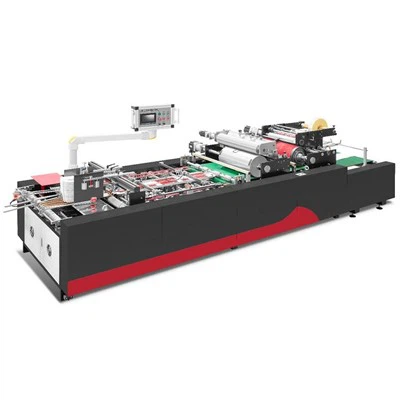
Calibrating a fully automatic laminating machine is a crucial process that ensures optimal performance, high-quality output, and the longevity of the equipment. As a supplier of Fully Automatic Laminating Machine, I understand the importance of proper calibration. In this blog post, I will guide you through the step-by-step process of calibrating a fully automatic laminating machine.
Understanding the Basics of a Fully Automatic Laminating Machine
Before diving into the calibration process, it's essential to have a basic understanding of how a fully automatic laminating machine works. A fully automatic laminating machine is designed to apply a thin layer of laminate material, such as plastic film or paper, onto a substrate, such as cardboard, paperboard, or printed materials. The machine typically consists of several components, including a feeding system, a laminating roller, a pressure system, a heating system, and a cutting system.
Pre-Calibration Checks
Before starting the calibration process, it's important to perform a series of pre-calibration checks to ensure that the machine is in good working condition. Here are some of the pre-calibration checks that you should perform:
- Inspect the Machine: Check the machine for any visible damage, such as cracks, dents, or loose parts. Make sure that all the components are properly installed and tightened.
- Clean the Machine: Clean the machine thoroughly to remove any dirt, dust, or debris that may affect its performance. Use a clean, dry cloth to wipe down the machine, including the feeding system, the laminating roller, the pressure system, the heating system, and the cutting system.
- Check the Electrical Connections: Check the electrical connections to ensure that they are secure and free from damage. Make sure that the machine is properly grounded.
- Check the Lubrication: Check the lubrication levels of the machine and add lubricant if necessary. Make sure that all the moving parts are properly lubricated to reduce friction and wear.
- Check the Material: Check the quality and compatibility of the laminate material and the substrate. Make sure that the laminate material is the correct thickness and width for the machine and that the substrate is flat and free from wrinkles or folds.
Step-by-Step Calibration Process
Once you have completed the pre-calibration checks, you can start the calibration process. Here are the step-by-step instructions for calibrating a fully automatic laminating machine:
Step 1: Set the Temperature
The first step in calibrating a fully automatic laminating machine is to set the temperature. The temperature setting depends on the type of laminate material and the substrate that you are using. Refer to the manufacturer's instructions for the recommended temperature settings.
- Turn on the Machine: Turn on the machine and allow it to warm up for the recommended time.
- Set the Temperature: Use the temperature control panel to set the temperature to the recommended level. Make sure that the temperature is stable before proceeding to the next step.
Step 2: Adjust the Pressure
The next step in calibrating a fully automatic laminating machine is to adjust the pressure. The pressure setting depends on the type of laminate material and the substrate that you are using. Refer to the manufacturer's instructions for the recommended pressure settings.
- Adjust the Pressure Rollers: Use the pressure adjustment knobs to adjust the pressure of the pressure rollers. Make sure that the pressure is evenly distributed across the width of the laminating roller.
- Test the Pressure: Place a test sheet of substrate and laminate material between the pressure rollers and run it through the machine. Check the quality of the lamination and adjust the pressure if necessary.
Step 3: Set the Speed
The third step in calibrating a fully automatic laminating machine is to set the speed. The speed setting depends on the type of laminate material and the substrate that you are using. Refer to the manufacturer's instructions for the recommended speed settings.
- Adjust the Speed Control: Use the speed control panel to set the speed to the recommended level. Make sure that the speed is stable before proceeding to the next step.
- Test the Speed: Place a test sheet of substrate and laminate material between the feeding system and the laminating roller and run it through the machine. Check the quality of the lamination and adjust the speed if necessary.
Step 4: Align the Feeding System
The fourth step in calibrating a fully automatic laminating machine is to align the feeding system. The feeding system ensures that the substrate and the laminate material are fed into the machine evenly and smoothly.


- Adjust the Feeding Guides: Use the feeding guides to align the substrate and the laminate material. Make sure that the substrate and the laminate material are centered and positioned correctly.
- Test the Feeding System: Place a test sheet of substrate and laminate material between the feeding system and the laminating roller and run it through the machine. Check the quality of the lamination and adjust the feeding system if necessary.
Step 5: Calibrate the Cutting System
The fifth step in calibrating a fully automatic laminating machine is to calibrate the cutting system. The cutting system ensures that the laminated material is cut to the correct size and shape.
- Adjust the Cutting Blade: Use the cutting blade adjustment knobs to adjust the position and angle of the cutting blade. Make sure that the cutting blade is sharp and properly aligned.
- Test the Cutting System: Place a test sheet of laminated material between the cutting system and run it through the machine. Check the quality of the cut and adjust the cutting system if necessary.
Step 6: Perform a Test Run
Once you have completed the calibration process, it's important to perform a test run to ensure that the machine is working properly.
- Prepare the Test Material: Prepare a test sheet of substrate and laminate material that is representative of the materials that you will be using in production.
- Run the Test Sheet: Place the test sheet between the feeding system and the laminating roller and run it through the machine. Check the quality of the lamination, the cut, and the alignment.
- Make Adjustments: If the test run reveals any issues, make the necessary adjustments to the machine and repeat the test run until the machine is working properly.
Post-Calibration Checks
After performing a test run and ensuring that the machine is working properly, it's important to perform a series of post-calibration checks to ensure that the machine is in good working condition. Here are some of the post-calibration checks that you should perform:
- Inspect the Machine: Check the machine for any visible damage, such as cracks, dents, or loose parts. Make sure that all the components are properly installed and tightened.
- Clean the Machine: Clean the machine thoroughly to remove any dirt, dust, or debris that may have accumulated during the calibration process. Use a clean, dry cloth to wipe down the machine, including the feeding system, the laminating roller, the pressure system, the heating system, and the cutting system.
- Check the Electrical Connections: Check the electrical connections to ensure that they are secure and free from damage. Make sure that the machine is properly grounded.
- Check the Lubrication: Check the lubrication levels of the machine and add lubricant if necessary. Make sure that all the moving parts are properly lubricated to reduce friction and wear.
- Store the Machine: Store the machine in a clean, dry place when it is not in use. Make sure that the machine is covered to protect it from dust, dirt, and moisture.
Conclusion
Calibrating a fully automatic laminating machine is a crucial process that ensures optimal performance, high-quality output, and the longevity of the equipment. By following the step-by-step instructions outlined in this blog post, you can calibrate your fully automatic laminating machine quickly and easily. If you have any questions or need further assistance, please do not hesitate to contact us. We are a leading supplier of Fully Automatic Laminating Machine and HW-1200 Flute Laminating Machine, and we are committed to providing our customers with the highest quality products and services. Contact us today to learn more about our products and to discuss your laminating needs.
References
- Manufacturer's instructions for the fully automatic laminating machine
- Industry standards and best practices for laminating machine calibration