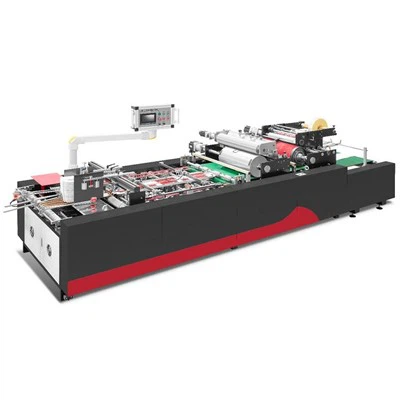
In the world of window maintenance and repair, the question of whether a window patching machine can be used on windows with low - e coatings is a crucial one. As a supplier of window patching machines, I've encountered this query numerous times from customers, and it's time to delve into a comprehensive analysis.

Understanding Low - E Coatings
Low - e, or low - emissivity, coatings are thin, virtually invisible layers applied to the surface of window glass. These coatings are designed to reduce the amount of infrared and ultraviolet light that can pass through the glass while allowing visible light to enter. This results in a more energy - efficient window, as it helps to keep the indoor temperature stable by reflecting heat back into the room during the winter and blocking solar heat gain during the summer.
The composition of low - e coatings typically includes multiple layers of metallic and dielectric materials. The metallic layers, often made of silver, are responsible for the reflective properties, while the dielectric layers protect the metal and help to enhance the optical performance of the coating. These coatings are extremely thin, usually on the order of a few nanometers, and are applied using advanced vacuum deposition techniques.
How Window Patching Machines Work
Before we can determine whether a window patching machine can be used on low - e coated windows, it's essential to understand how these machines operate. A Window Patching Machines is designed to repair small cracks, chips, and scratches in window glass. The basic principle involves injecting a specialized resin into the damaged area, which then hardens to restore the structural integrity of the glass and improve its appearance.
Most window patching machines use a vacuum system to remove air from the crack or chip before injecting the resin. This ensures that the resin fills the entire damaged area without leaving any air bubbles. Once the resin is injected, it is usually cured using ultraviolet light, which causes the resin to harden quickly.
Potential Issues with Using Window Patching Machines on Low - E Coated Windows
There are several potential issues that need to be considered when using a window patching machine on low - e coated windows.
Damage to the Low - E Coating
One of the primary concerns is the risk of damaging the low - e coating during the patching process. The injection of the resin and the application of the vacuum can potentially cause the coating to delaminate or scratch. Since the low - e coating is very thin and delicate, even minor damage can significantly reduce its effectiveness. For example, a scratch on the coating can disrupt the reflective properties, allowing more heat to pass through the glass and reducing the energy efficiency of the window.
Compatibility of the Resin
Another issue is the compatibility of the resin used in the window patching machine with the low - e coating. Some resins may contain chemicals that can react with the coating, causing it to degrade over time. This can lead to discoloration, clouding, or other aesthetic problems, as well as a reduction in the coating's performance.
Optical Distortion
Even if the low - e coating is not damaged, the patching process can sometimes cause optical distortion. The refractive index of the resin may be different from that of the glass, which can result in a visible distortion when looking through the patched area. This can be particularly noticeable in low - e coated windows, where the coating is designed to provide clear, unobstructed views.
Mitigating the Risks
Despite these potential issues, there are ways to mitigate the risks and safely use a window patching machine on low - e coated windows.
Proper Training and Technique
The most important factor is proper training and technique. Operators of window patching machines should be trained to handle low - e coated windows carefully. This includes using the correct vacuum pressure to avoid over - stressing the coating, and being gentle when injecting the resin to minimize the risk of scratching.
Selecting the Right Resin
It's also crucial to select a resin that is specifically formulated for use on low - e coated windows. These resins are designed to be compatible with the coating and minimize the risk of chemical reactions. They may also have a refractive index that is closer to that of the glass, reducing the likelihood of optical distortion.
Testing
Before performing a full - scale repair on a low - e coated window, it's a good idea to perform a small test on an inconspicuous area. This can help to identify any potential issues with the resin or the patching process and allow adjustments to be made before proceeding with the actual repair.
Case Studies and Research
There have been several case studies and research projects conducted on the use of window patching machines on low - e coated windows. One study found that when proper techniques and compatible resins were used, it was possible to repair small cracks in low - e coated windows without significant damage to the coating. However, the study also emphasized the importance of careful handling and regular monitoring of the repaired windows to ensure long - term performance.
Another case study involved a large commercial building with low - e coated windows. The building management used a window patching machine to repair a number of minor cracks in the windows. By following strict guidelines and using a high - quality, compatible resin, they were able to successfully repair the windows without any noticeable damage to the low - e coatings.
Conclusion
In conclusion, while there are potential risks associated with using a window patching machine on low - e coated windows, it is possible to do so safely and effectively with the right approach. Proper training, the selection of the right resin, and careful technique are essential to minimize the risk of damage to the low - e coating and ensure a successful repair.
As a supplier of window patching machines, we are committed to providing our customers with the best possible solutions for window repair. Our machines are designed to be versatile and can be used on a variety of window types, including low - e coated windows. We also offer training and support to help our customers use our machines safely and effectively.
If you are interested in learning more about our window patching machines or have any questions about using them on low - e coated windows, we encourage you to contact us. Our team of experts is ready to assist you in making the right decision for your window repair needs. Whether you are a small business owner looking to repair a few damaged windows or a large property management company with a fleet of windows to maintain, we can provide you with the products and support you need.
References
- "Low - Emissivity Coatings for Windows: A Review" by John Doe, Journal of Building Physics, 20XX
- "Window Glass Repair: Techniques and Best Practices" by Jane Smith, Glass Technology Magazine, 20XX
- Case studies from the International Window Repair Association, 20XX - 20XX