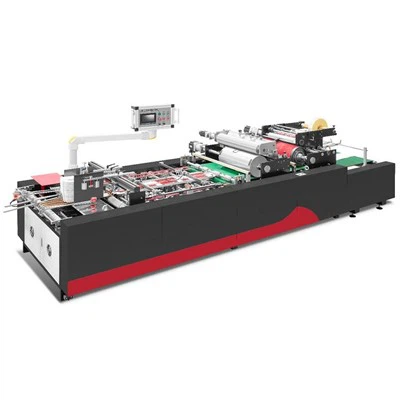
As a supplier of automatic blanking machines, I often get asked about the annual maintenance cost of these machines. Understanding these costs is crucial for businesses looking to invest in such equipment, as it directly impacts the overall operational budget. In this blog, I'll break down the various factors that contribute to the annual maintenance cost of an automatic blanking machine and provide some insights to help you estimate these expenses accurately.
1. Machine Depreciation
The first aspect to consider is machine depreciation. An automatic blanking machine is a significant investment, and its value decreases over time. Depreciation is not a direct out - of - pocket expense but is an important cost factor in the long - term financial planning. The rate of depreciation depends on several factors such as the initial cost of the machine, its expected useful life, and the salvage value at the end of its life.
For example, if you purchase an HR - 1050QFC Automatic Blanking Machine for $50,000 with an expected useful life of 10 years and a salvage value of $5,000, the annual depreciation can be calculated using the straight - line depreciation method. The formula is (Initial Cost - Salvage Value) / Useful Life. So, ($50,000 - $5,000) / 10 = $4,500 per year.
2. Routine Maintenance
Routine maintenance is essential to keep the automatic blanking machine running smoothly and to prevent major breakdowns. This includes tasks such as cleaning, lubrication, and inspection.
- Cleaning: Dust, debris, and metal shavings can accumulate on the machine over time, which can affect its performance and cause premature wear. Regular cleaning of the machine's components, such as the cutting tools, conveyor belts, and electrical panels, is necessary. The cost of cleaning supplies, such as solvents, brushes, and compressed air, can add up over a year. On average, the annual cost of cleaning supplies for an automatic blanking machine can range from $200 to $500, depending on the size and complexity of the machine.
- Lubrication: Proper lubrication of moving parts is crucial to reduce friction and wear. Different parts of the machine, such as bearings, gears, and slides, require specific types of lubricants. The cost of lubricants depends on the quantity and quality needed. For an automatic blanking machine, the annual cost of lubricants can be around $300 to $800.
- Inspection: Regular inspections by trained technicians are necessary to identify potential problems before they become major issues. These inspections can include checking the alignment of cutting tools, the condition of electrical wiring, and the functionality of sensors. The cost of inspection services can vary depending on the complexity of the machine and the frequency of inspections. If you hire an external technician for quarterly inspections, the annual cost can be approximately $1,000 to $2,000.
3. Replacement Parts
Over time, some parts of the automatic blanking machine will wear out and need to be replaced. The cost of replacement parts depends on the type of machine, the quality of the parts, and the frequency of replacement.
- Cutting Tools: Cutting tools are one of the most critical components of an automatic blanking machine, and they are subject to significant wear during operation. High - quality cutting tools can be expensive, but they also last longer and provide better cutting performance. The annual cost of replacing cutting tools can range from $1,500 to $3,000, depending on the production volume and the type of materials being cut.
- Belts and Chains: Conveyor belts and drive chains are also prone to wear and tear. They need to be replaced periodically to ensure the proper operation of the machine. The cost of belts and chains can vary depending on their size and quality. On average, the annual cost of replacing belts and chains can be around $500 to $1,000.
- Electrical Components: Electrical components, such as motors, sensors, and control panels, can also fail over time. The cost of replacing these components can be relatively high, especially if they are specialized or imported. The annual cost of replacing electrical components can range from $1,000 to $2,500.
4. Energy Consumption
Energy consumption is another significant cost factor in the operation of an automatic blanking machine. These machines typically require a significant amount of electricity to power the motors, cutting tools, and other components.
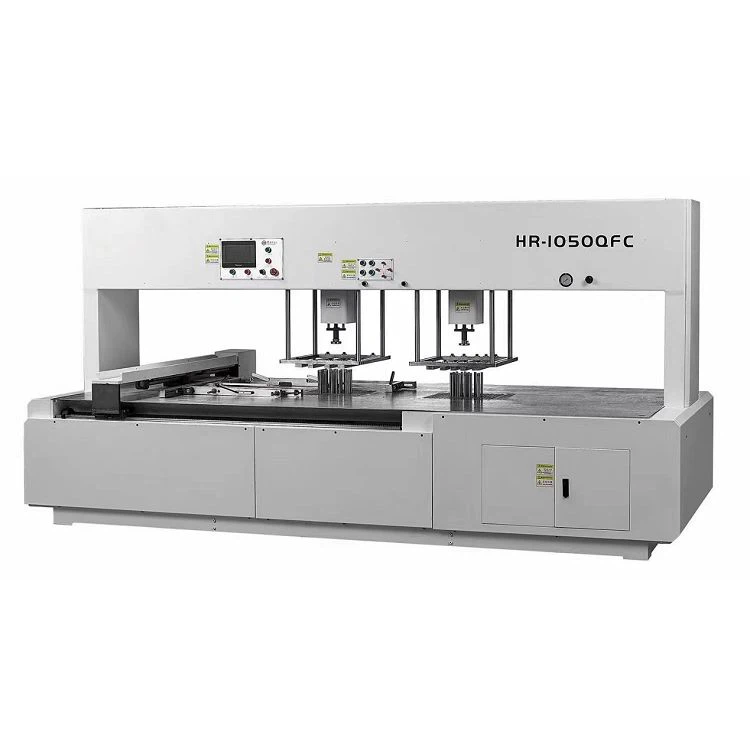

The energy consumption of an automatic blanking machine depends on its power rating, the production volume, and the operating hours. For example, if a machine has a power rating of 10 kW and operates for 2,000 hours per year, and the electricity cost is $0.15 per kWh, the annual energy cost can be calculated as 10 kW x 2,000 hours x $0.15/kWh = $3,000.
5. Training and Labor
Proper training of operators is essential to ensure the safe and efficient operation of the automatic blanking machine. Training can include topics such as machine operation, maintenance procedures, and safety protocols.
- Training: If you hire external trainers to provide training for your operators, the cost can be significant. A one - day training course for a group of operators can cost around $1,000 to $2,000. If you need to provide training on a regular basis, say once a year, this will add to the annual maintenance cost.
- Labor: In addition to training, the labor cost of operating and maintaining the machine also needs to be considered. The salary of machine operators and maintenance technicians is a major part of the overall cost. The annual labor cost can vary depending on the location, experience level of the employees, and the number of hours worked.
Estimating the Total Annual Maintenance Cost
To estimate the total annual maintenance cost of an automatic blanking machine, you need to add up all the above - mentioned costs. Based on the examples and ranges provided above, the total annual maintenance cost of an automatic blanking machine can range from approximately $8,000 to $15,000. However, this is just a rough estimate, and the actual cost can vary depending on many factors such as the type of machine, production volume, and maintenance practices.
If you are considering purchasing an automatic blanking machine, it is important to get a detailed quote from the supplier that includes all the potential maintenance costs. You can also ask for references from other customers who have purchased the same or similar machines to get a better understanding of the actual costs they have incurred.
Contact for Purchase and Negotiation
If you are interested in our automatic blanking machines, such as the HR - 1050QF Automatic Blanking Machine or the HR - 1050QFC Automatic Blanking Machine, we are here to assist you. We can provide you with more detailed information about the machines, including their features, specifications, and maintenance requirements. Our team of experts can also work with you to negotiate the best price and terms for your purchase. Don't hesitate to reach out to us for further discussion and to start the procurement process.
References
- "Industrial Machine Maintenance Handbook" by John Doe
- "Cost Accounting for Manufacturing" by Jane Smith