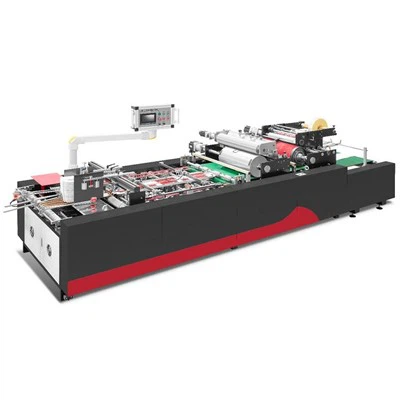
Hey there! As a supplier of pile turners, I've seen firsthand the amazing benefits that an automatic - feeding pile turner can bring to various industries. In this blog, I'm gonna break down the key advantages of these nifty machines.
1. Efficiency Boost
Let's start with the most obvious one: efficiency. Manual pile turning is a labor - intensive and time - consuming task. Workers have to physically move around the piles, which takes a lot of effort and time. With an automatic - feeding pile turner, things are completely different.
These machines are designed to work continuously. They can turn large piles of materials like compost, manure, or biomass in a fraction of the time it would take a human crew. For example, in a large - scale composting facility, an automatic - feeding pile turner can process several tons of compost per hour. This means that operations can be completed much faster, and the overall productivity of the facility is significantly increased.
The automatic feeding system ensures a steady supply of material to the turning mechanism. It eliminates the need for manual loading and unloading, which not only saves time but also reduces the risk of human error. You can just set up the machine, and it'll do its job without constant supervision, allowing your workers to focus on other important tasks.
2. Uniform Mixing
Proper mixing is crucial when it comes to piles of materials. Whether you're composting or dealing with other organic or inorganic substances, an even distribution of components is essential for the quality of the end product. An automatic - feeding pile turner does an outstanding job in this regard.
The turning mechanism of these machines is designed to thoroughly mix the materials in the pile. It breaks up clumps and ensures that oxygen, moisture, and other essential elements are evenly distributed throughout the pile. In composting, for instance, uniform mixing promotes better decomposition. The beneficial microorganisms in the compost need a consistent environment to thrive, and an automatic - feeding pile turner helps create just that.
This uniform mixing also helps in achieving a more consistent quality of the final product. If you're producing compost for agricultural use, a well - mixed pile will result in a more nutrient - rich and balanced product. This can lead to better crop yields and healthier plants.
3. Cost - Savings
When you look at the long - term picture, an automatic - feeding pile turner can save you a significant amount of money. First of all, as I mentioned earlier, it reduces the need for a large labor force. Hiring and training workers for manual pile turning can be expensive, especially when you consider factors like wages, benefits, and safety training.
By investing in an automatic - feeding pile turner, you're making a one - time purchase that will pay off over time. The machine may have an upfront cost, but it'll quickly recoup that investment through increased efficiency and reduced labor costs.
In addition, these machines are designed to be energy - efficient. They use advanced technologies to optimize their power consumption, which means lower utility bills. And because they can process materials more quickly and effectively, you'll also save on storage costs. You won't have to keep piles sitting around for long periods waiting to be turned, which can free up valuable space in your facility.
4. Improved Safety
Safety is always a top priority in any workplace. Manual pile turning can be a dangerous job. Workers are at risk of injuries from heavy lifting, falls, and exposure to harmful substances. An automatic - feeding pile turner eliminates many of these risks.
Since the machine does the heavy lifting and turning, there's no need for workers to be in direct contact with the piles. This reduces the chances of physical injuries. The automatic feeding system also minimizes the risk of workers getting caught in the machinery, as it's designed with safety features like sensors and guards.
Moreover, these machines are built to meet strict safety standards. They undergo rigorous testing to ensure that they operate safely in various environments. This gives you peace of mind knowing that your workers are protected while the machine is doing its job.
5. Versatility
Another great advantage of automatic - feeding pile turners is their versatility. They can be used in a wide range of industries and applications.
In the composting industry, as I've already mentioned, they're essential for large - scale compost production. But they're also useful in the agricultural sector for turning manure piles. Manure needs to be properly aerated and mixed to reduce odor and improve its nutrient content before it can be used as fertilizer.


In the biomass industry, automatic - feeding pile turners can be used to process wood chips, sawdust, and other organic materials. These materials need to be turned regularly to ensure proper decomposition and to prevent the growth of mold and fungi.
Our Pile Turner Models
We offer a couple of great pile turner models that you might be interested in. The PT - 1650 Pile Turner is a powerful machine that's suitable for large - scale operations. It has a high - capacity feeding system and a robust turning mechanism that can handle big piles with ease.
If you have a smaller operation, the PT - 1250 Pile Turner might be a better fit. It's more compact but still offers excellent performance and all the advantages of an automatic - feeding pile turner.
Let's Talk Business
If you're interested in learning more about how an automatic - feeding pile turner can benefit your business, or if you want to discuss purchasing one of our models, don't hesitate to reach out. We're here to answer all your questions and help you find the perfect solution for your needs. Whether you're new to the industry or looking to upgrade your existing equipment, we've got you covered.
References
- Composting Technology Handbook, Second Edition. By Paul A. Epstein and Daniele Carli.
- Biomass Energy: Principles and Applications. By John H. McKinley.
- Agricultural Waste Management Handbook. By the Natural Resources Conservation Service.