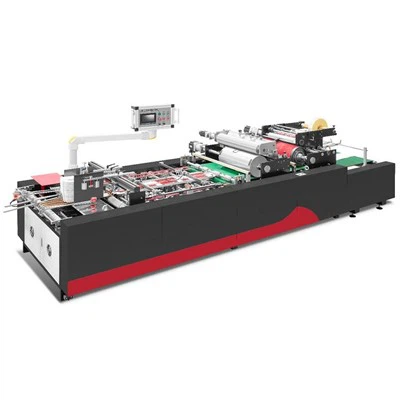
Troubleshooting a folder gluer with slow production speed can be a complex but manageable task. As a supplier of folder gluers, I've encountered various issues that can lead to reduced production rates. In this blog post, I'll share some common causes and effective solutions to help you get your folder gluer back to optimal performance.
1. Mechanical Issues
Belt and Chain Tension
One of the primary mechanical culprits for slow production speed is improper belt and chain tension. Over time, belts and chains can stretch, leading to slippage. This slippage can cause inconsistent movement of materials through the folder gluer, resulting in slower processing times.
Solution: Regularly check the tension of all belts and chains according to the manufacturer's specifications. Use a tension gauge to ensure accurate adjustment. If a belt or chain is worn beyond repair, replace it immediately. For example, a loose drive belt can cause the conveyor to move erratically, so tightening or replacing it can significantly improve the speed.
Roller Alignment
Misaligned rollers can also impede the smooth flow of materials. When rollers are not properly aligned, the material may not move in a straight line, causing jams and slowdowns.
Solution: Inspect the rollers for alignment regularly. Use alignment tools to ensure that all rollers are parallel and at the correct height. Adjust the roller positions as needed to correct any misalignments. This will help the material move through the machine more efficiently, increasing production speed.


Worn or Damaged Parts
Worn or damaged parts such as gears, bearings, and cutting blades can have a significant impact on the performance of the folder gluer. These parts may cause increased friction, vibration, and reduced power transmission, all of which can slow down production.
Solution: Conduct routine inspections to identify any worn or damaged parts. Replace these parts promptly with high - quality replacements. For instance, if the cutting blades are dull, they can tear the material instead of making clean cuts, which will slow down the entire process. By replacing the blades, you can restore the machine's efficiency.
2. Electrical and Control System Issues
Faulty Sensors
Sensors play a crucial role in the operation of a folder gluer. They detect the presence and position of materials, control the movement of various components, and ensure proper synchronization. Faulty sensors can send incorrect signals, leading to delays and slowdowns.
Solution: Test all sensors regularly to ensure they are functioning correctly. Clean the sensors to remove any dirt or debris that may interfere with their operation. If a sensor is found to be faulty, replace it with a compatible one. For example, a misaligned or malfunctioning edge sensor may cause the machine to pause or slow down to re - position the material.
Control Panel Malfunctions
The control panel is the brain of the folder gluer, allowing operators to set parameters and control the machine's functions. Malfunctions in the control panel can result in incorrect settings, which can lead to slow production.
Solution: Check the control panel for any error messages or abnormal behavior. If there are error messages, refer to the machine's manual to troubleshoot the issue. Sometimes, a simple software reset can solve the problem. If the problem persists, contact the manufacturer's technical support team for further assistance.
Electrical Wiring Problems
Loose or damaged electrical wiring can cause intermittent power supply, which can affect the performance of the machine. This can lead to slowdowns, sudden stops, and inconsistent operation.
Solution: Inspect the electrical wiring regularly for any signs of damage, such as frayed wires or loose connections. Tighten any loose connections and replace any damaged wiring. Ensure that all electrical components are properly grounded to prevent electrical interference.
3. Material - Related Issues
Incorrect Material Thickness or Type
Using the wrong material thickness or type can cause problems for the folder gluer. If the material is too thick or too thin, it may not be processed correctly, leading to jams and slowdowns. Different materials also have different properties, such as stiffness and moisture content, which can affect the gluing and folding process.
Solution: Make sure to use the material that is recommended by the manufacturer for your folder gluer. Check the material specifications before loading it into the machine. If you need to use a different type of material, consult the machine's manual or contact the manufacturer for guidance on adjusting the machine settings.
Material Feeding Problems
Problems with material feeding can also slow down production. If the material is not fed into the machine smoothly, it can cause jams and delays. This can be due to issues such as improper alignment of the feeding mechanism, clogged feeders, or incorrect feeding speed.
Solution: Check the feeding mechanism for proper alignment and cleanliness. Clear any clogs in the feeders and adjust the feeding speed according to the material type and thickness. You may also need to lubricate the feeding components to ensure smooth operation.
4. Operator - Related Issues
Lack of Training
Operators who are not properly trained may not be using the folder gluer to its full potential. They may not know how to adjust the settings correctly, troubleshoot minor issues, or perform routine maintenance tasks. This can lead to slow production and increased downtime.
Solution: Provide comprehensive training to all operators on the proper use and maintenance of the folder gluer. The training should cover machine operation, setting adjustments, safety procedures, and basic troubleshooting. Regularly refresh the operators' knowledge to keep them up - to - date with the latest techniques and best practices.
Inefficient Workflow
An inefficient workflow can also contribute to slow production. If the operator has to perform unnecessary steps or move around too much during the production process, it can waste time and reduce productivity.
Solution: Analyze the workflow and identify any areas for improvement. Streamline the process by eliminating unnecessary steps and optimizing the layout of the work area. Provide clear instructions and standard operating procedures to the operators to ensure a smooth and efficient workflow.
5. Product - Specific Solutions
We offer a range of high - quality folder gluers that are designed to meet different production needs. For example, the Automatic Double - sided Adhesive Tape Gluing Machine is suitable for applications that require precise double - sided gluing. It features advanced control systems and high - speed operation, which can significantly improve production efficiency.
The Control 1450 Automatic High - Speed Folder Gluer is another excellent option for high - volume production. With its precise control and fast processing speed, it can handle a variety of materials with ease.
If you need a more flexible solution, the Flexible 900 Automatic High - Speed Folder Gluer is a great choice. It can be easily adjusted to accommodate different material sizes and folding requirements, ensuring maximum productivity.
Conclusion
Troubleshooting a folder gluer with slow production speed requires a systematic approach. By addressing mechanical, electrical, material - related, and operator - related issues, you can improve the performance of your folder gluer and increase production efficiency. If you are still experiencing problems after trying these solutions, don't hesitate to contact us. As a professional folder gluer supplier, we have the expertise and resources to help you resolve any issues and get your production back on track. Whether you are looking to purchase a new folder gluer or need assistance with your existing machine, we are here to support you. Contact us today to discuss your requirements and explore how our products can meet your production needs.
References
- Manufacturer's manuals for folder gluers
- Industry standards and best practices for folder gluer operation and maintenance
- Technical literature on mechanical, electrical, and material handling systems related to folder gluers