


As a supplier of automatic blanking machines, I understand the importance of ensuring that operators can use our equipment proficiently. A well - trained operator not only maximizes the machine's performance but also reduces the risk of accidents and increases productivity. In this blog, I will share some effective strategies on how to train operators to use an automatic blanking machine proficiently.
Familiarization with the Machine
The first step in training operators is to make them familiar with the physical aspects of the automatic blanking machine. This includes a detailed tour of the machine, where they can see all its components up close. For instance, on our HR - 1050QFC Automatic Blanking Machine, we have various parts such as the feeding system, cutting unit, and control panel.
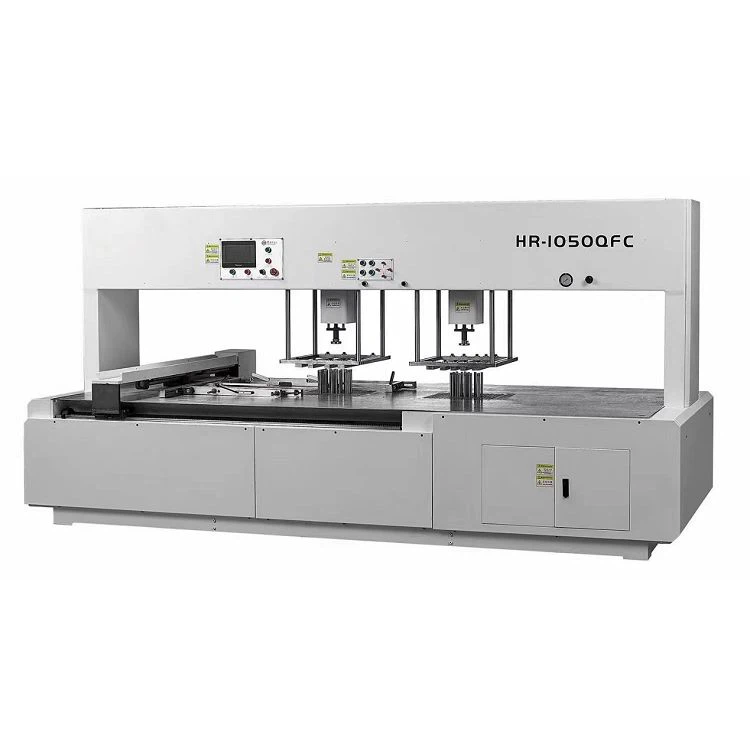

During the tour, explain the function of each part. The feeding system is responsible for bringing the raw material into the machine in a controlled manner. The cutting unit, on the other hand, is where the actual blanking process takes place. The control panel is the operator's interface with the machine, allowing them to set parameters such as cutting speed, pressure, and the number of blanks to be produced.
Provide operators with a detailed manual that shows the machine's layout, component names, and their functions. Encourage them to ask questions during this stage so that they have a solid understanding of how the machine is structured.
Theoretical Knowledge Training
After the physical familiarization, it's time to dive into the theoretical knowledge. Teach operators about the basic principles of automatic blanking. Explain how the machine uses mechanical, electrical, and hydraulic systems to achieve the blanking process.
For example, in our HR - 1050QF Automatic Blanking Machine, the hydraulic system provides the necessary force for the cutting operation. Operators need to understand how the pressure in the hydraulic system affects the quality of the blanks. If the pressure is too low, the blanks may not be cut cleanly; if it's too high, it can damage the cutting tools and the machine itself.
Also, cover topics such as safety regulations. Automatic blanking machines can be dangerous if not used correctly. Teach operators about the safety guards on the machine, emergency stop buttons, and the importance of wearing personal protective equipment (PPE) such as safety glasses, gloves, and earplugs. Provide them with information on how to handle potential hazards, such as electrical shocks and flying debris.
Simulation Training
Simulation training is an excellent way to allow operators to practice using the automatic blanking machine without the risk of damaging the actual equipment. Use software that mimics the operation of the machine. In the simulation, operators can set different parameters, start and stop the virtual machine, and see how the machine would respond.
During the simulation training, give operators a series of tasks to complete. For example, ask them to set up the machine to produce a specific number of blanks with a certain size and shape. Provide feedback on their performance, highlighting areas where they did well and areas that need improvement.
Simulation training also helps operators build confidence. They can make mistakes in the virtual environment and learn from them without the pressure of real - world consequences.
On - the - Job Training
Once operators have completed the simulation training, it's time for on - the - job training. Start with simple tasks under the supervision of an experienced operator. For example, have them set up the machine to produce a small batch of standard - sized blanks.
The experienced operator should closely monitor the new operator's actions, providing guidance and correcting any mistakes immediately. As the new operator becomes more comfortable with the basic tasks, gradually increase the complexity of the jobs. For instance, ask them to produce blanks with irregular shapes or adjust the machine to work with different types of raw materials.
During on - the - job training, encourage operators to document their experiences. They can keep a log of the settings they used, the problems they encountered, and how they solved them. This documentation will be useful for future reference and can also be shared with other operators.
Continuous Learning and Refresher Courses
The field of automatic blanking is constantly evolving. New technologies are being developed, and safety regulations are updated regularly. Therefore, it's important to provide continuous learning opportunities for operators.
Organize regular refresher courses to review the basic knowledge and skills. These courses can also introduce new features and improvements to the automatic blanking machine. For example, if a new software update is available for the control panel of the machine, the refresher course can teach operators how to use the new functions.
Encourage operators to attend industry conferences and seminars. These events provide a platform for them to learn about the latest trends in automatic blanking technology and network with other professionals in the field.
Quality Control Training
In addition to operating the machine, operators should also be trained in quality control. Teach them how to inspect the blanks for defects. They should look for issues such as rough edges, uneven cuts, and incorrect dimensions.
Provide operators with inspection tools such as calipers, micrometers, and surface roughness testers. Train them on how to use these tools accurately. Set up quality control checkpoints during the production process. For example, have operators inspect every tenth blank to ensure that the quality is consistent.
If a defect is found, teach operators how to troubleshoot the problem. They may need to adjust the machine settings, replace a worn - out cutting tool, or check the raw material for impurities.
Troubleshooting Training
Even with proper training, problems can still occur during the operation of an automatic blanking machine. Therefore, operators should be trained in troubleshooting. Teach them how to identify common problems such as machine jams, abnormal noises, and electrical malfunctions.
Provide a troubleshooting guide that lists the possible causes and solutions for each problem. For example, if the machine is making an abnormal noise, it could be due to a loose belt, a worn - out bearing, or a problem with the motor. The troubleshooting guide should tell the operator how to check each of these components and what steps to take to fix the problem.
During the troubleshooting training, give operators real - life scenarios to solve. This hands - on experience will help them become more proficient in diagnosing and fixing problems quickly.
Conclusion
Training operators to use an automatic blanking machine proficiently is a multi - step process that requires a combination of physical familiarization, theoretical knowledge, simulation training, on - the - job training, continuous learning, quality control training, and troubleshooting training. By investing in comprehensive training, you can ensure that your operators are capable of operating the machine safely and efficiently, which will ultimately lead to higher productivity and better - quality products.
If you are interested in our automatic blanking machines or need more information about our training programs, we welcome you to contact us for further procurement discussions. Our team of experts is ready to assist you in finding the right solution for your business needs.
References
- "Handbook of Automatic Blanking Technology"
- Industry standards and safety regulations related to automatic blanking machines


