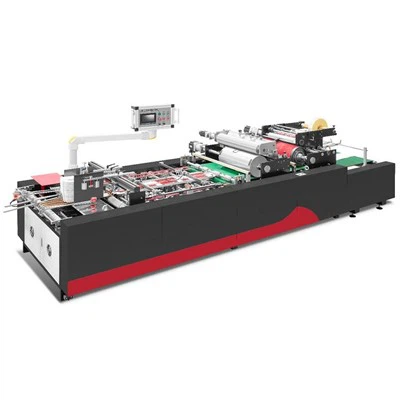
When it comes to the efficient operation of an Automatic Corner Pasting Machine, selecting the right paste type for different materials is a crucial step that can significantly impact the quality and durability of the final product. As a leading supplier of Automatic Corner Pasting Machines, I understand the complexities involved in this decision-making process. In this blog post, I will share some insights on how to choose the appropriate paste type for various materials when using our machines.


Understanding the Basics of Paste Types
Before delving into the selection process, it's essential to have a basic understanding of the different types of pastes available in the market. The most common types of pastes used in corner pasting applications include:
- Starch-Based Pastes: These pastes are made from natural starches, such as corn or wheat. They are environmentally friendly, easy to use, and provide good adhesion on porous materials like paper and cardboard. Starch-based pastes are also relatively inexpensive, making them a popular choice for many applications.
- PVA (Polyvinyl Acetate) Glues: PVA glues are synthetic adhesives that offer excellent adhesion on a wide range of materials, including paper, cardboard, wood, and plastics. They are water-based, non-toxic, and dry clear, making them suitable for applications where a clean and invisible bond is required. PVA glues are also resistant to aging and yellowing, ensuring a long-lasting bond.
- Hot Melt Adhesives: Hot melt adhesives are thermoplastic adhesives that are applied in a molten state and solidify upon cooling. They offer fast bonding, high strength, and excellent resistance to heat, moisture, and chemicals. Hot melt adhesives are commonly used in high-speed production lines and applications where a strong and durable bond is required.
- Epoxy Resins: Epoxy resins are two-part adhesives that consist of a resin and a hardener. When mixed together, they undergo a chemical reaction that forms a strong and durable bond. Epoxy resins offer excellent adhesion on a wide range of materials, including metals, ceramics, and plastics. They are also resistant to heat, moisture, and chemicals, making them suitable for applications in harsh environments.
Factors to Consider When Choosing a Paste Type
When choosing a paste type for your Automatic Corner Pasting Machine, several factors need to be considered, including:
- Material Compatibility: The first and most important factor to consider is the compatibility of the paste with the materials you are working with. Different materials have different surface properties, such as porosity, smoothness, and chemical composition, which can affect the adhesion of the paste. For example, starch-based pastes work well on porous materials like paper and cardboard, while PVA glues are more suitable for non-porous materials like plastics and metals.
- Bond Strength Requirements: The bond strength required for your application will also influence the choice of paste type. If you need a strong and durable bond, you may want to consider using a hot melt adhesive or an epoxy resin. On the other hand, if a temporary or less strong bond is sufficient, a starch-based paste or a PVA glue may be a better choice.
- Production Speed: The production speed of your Automatic Corner Pasting Machine is another important factor to consider. Some paste types, such as hot melt adhesives, offer fast bonding and can be used in high-speed production lines. Other paste types, such as starch-based pastes, may require longer drying times and are more suitable for slower production speeds.
- Environmental Conditions: The environmental conditions in which your product will be used or stored can also affect the choice of paste type. If your product will be exposed to high temperatures, moisture, or chemicals, you may need to choose a paste type that offers excellent resistance to these conditions. For example, epoxy resins are highly resistant to heat, moisture, and chemicals, making them suitable for applications in harsh environments.
- Cost: Finally, the cost of the paste type is also an important consideration. Different paste types have different prices, and you need to choose a paste type that fits within your budget. However, it's important to remember that the cheapest option may not always be the best option, as it may not provide the required bond strength or durability.
Choosing the Right Paste Type for Different Materials
Now that we have discussed the factors to consider when choosing a paste type, let's take a look at how to choose the right paste type for different materials:
- Paper and Cardboard: For paper and cardboard materials, starch-based pastes are a popular choice due to their excellent adhesion, environmental friendliness, and low cost. They are also easy to use and dry quickly, making them suitable for high-speed production lines. However, if you need a stronger bond or a cleaner finish, you may want to consider using a PVA glue or a hot melt adhesive.
- Wood: When working with wood materials, PVA glues are a popular choice due to their excellent adhesion, water resistance, and ease of use. They are also non-toxic and dry clear, making them suitable for applications where a clean and invisible bond is required. However, if you need a stronger bond or a bond that can withstand high temperatures or moisture, you may want to consider using an epoxy resin or a hot melt adhesive.
- Plastics: For plastic materials, PVA glues and hot melt adhesives are the most commonly used paste types. PVA glues offer excellent adhesion on a wide range of plastics, including PVC, ABS, and polycarbonate. They are also water-based, non-toxic, and dry clear, making them suitable for applications where a clean and invisible bond is required. Hot melt adhesives, on the other hand, offer fast bonding, high strength, and excellent resistance to heat, moisture, and chemicals. They are commonly used in high-speed production lines and applications where a strong and durable bond is required.
- Metals: When working with metal materials, epoxy resins and hot melt adhesives are the most commonly used paste types. Epoxy resins offer excellent adhesion on a wide range of metals, including steel, aluminum, and copper. They are also resistant to heat, moisture, and chemicals, making them suitable for applications in harsh environments. Hot melt adhesives, on the other hand, offer fast bonding, high strength, and excellent resistance to heat, moisture, and chemicals. They are commonly used in high-speed production lines and applications where a strong and durable bond is required.
Our Automatic Corner Pasting Machines and Recommended Paste Types
At our company, we offer a range of Automatic Corner Pasting Machines that are designed to meet the needs of different industries and applications. Our machines are equipped with advanced features and technologies that ensure high precision, efficiency, and reliability. Here are some of our popular machines and the recommended paste types for different materials:
- LS-900C Bi-channel Visual Positioning Machine: This machine is suitable for pasting corners on rigid boxes made of paper, cardboard, and other materials. For paper and cardboard materials, we recommend using starch-based pastes or PVA glues. For other materials, such as plastics and metals, we recommend using hot melt adhesives or epoxy resins.
- MC-ZE450 Tucking In and Folding Machine: This machine is suitable for tucking in and folding paper, cardboard, and other materials. For paper and cardboard materials, we recommend using starch-based pastes or PVA glues. For other materials, such as plastics and metals, we recommend using hot melt adhesives or epoxy resins.
- LS-850A Automatic Paper Gluing Machine: This machine is suitable for gluing paper, cardboard, and other materials. For paper and cardboard materials, we recommend using starch-based pastes or PVA glues. For other materials, such as plastics and metals, we recommend using hot melt adhesives or epoxy resins.
Conclusion
Choosing the right paste type for different materials when using an Automatic Corner Pasting Machine is a crucial step that can significantly impact the quality and durability of the final product. By considering factors such as material compatibility, bond strength requirements, production speed, environmental conditions, and cost, you can select the appropriate paste type for your application. At our company, we offer a range of Automatic Corner Pasting Machines and can provide you with expert advice on choosing the right paste type for your needs. If you have any questions or would like to discuss your requirements further, please do not hesitate to contact us for procurement and negotiation.
References
- "Adhesives and Sealants Handbook" by Andrew T. DiBenedetto
- "Handbook of Adhesive Technology" by Robert D. Deanin
- "Adhesive Bonding: Science, Technology, and Applications" by K. L. Mittal