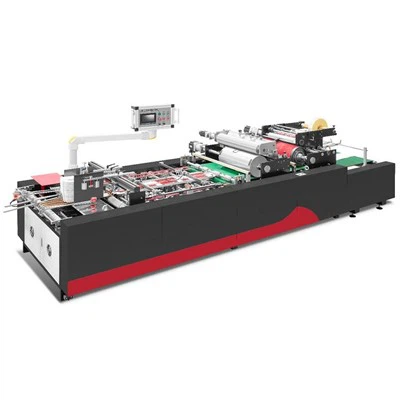
Hey there! As a supplier of automatic laminating machines, I often get asked about how to calibrate these nifty pieces of equipment. Calibration is super important as it ensures your machine runs smoothly and gives you top - notch results every time. So, let's dive right into the process of calibrating an automatic laminating machine.
Why Calibration Matters
Before we get into the nitty - gritty of calibration, let me tell you why it's so crucial. An uncalibrated laminating machine can lead to all sorts of problems. You might end up with uneven laminating, where the film doesn't stick properly in some areas or is too tight in others. This can ruin your products and waste a lot of materials. Plus, it can also cause the machine to wear out faster due to uneven stress on its components. So, regular calibration is like giving your machine a health check - up to keep it in tip - top shape.
Pre - Calibration Checks
First things first, you gotta do some pre - calibration checks. Start by giving your machine a good visual inspection. Look for any signs of wear and tear, like loose belts, damaged rollers, or frayed wires. If you spot any issues, it's best to fix them before you start calibrating.
Next, clean the machine thoroughly. Dust, debris, and old adhesive can all mess up the calibration process. Use a soft, dry cloth to wipe down the rollers, feeders, and other parts of the machine. Make sure to get into all the nooks and crannies.
Step - by - Step Calibration Process
1. Temperature Calibration
The temperature of the laminating machine is a key factor. Different laminating films require different temperatures to bond properly. Most machines come with a temperature control panel. Start by setting the temperature to the recommended level for the film you're using. You can usually find this information on the film's packaging.
Once you've set the temperature, use a reliable thermometer to check if the actual temperature inside the machine matches the set temperature. If there's a difference, you'll need to adjust the calibration settings on the machine. Some machines have a calibration mode where you can input the correction factor.
2. Pressure Calibration
Pressure is another important aspect. If the pressure is too low, the film won't adhere well to the substrate. If it's too high, it can damage the materials or even the machine itself.
To calibrate the pressure, start by running a test laminate. Use a piece of scrap material and the same film you'll be using for your actual products. Check the quality of the lamination. If it's too loose, increase the pressure slightly. If it's too tight or there are signs of damage, decrease the pressure.
Most automatic laminating machines have a pressure adjustment knob or a digital control panel. Make small adjustments and run a new test laminate after each adjustment until you get the perfect pressure.
3. Speed Calibration
The speed at which the machine laminates also affects the quality of the final product. If the speed is too fast, the film might not have enough time to bond properly. If it's too slow, it can waste time and energy.
Similar to pressure calibration, start by running a test laminate at the default speed setting. Check the lamination quality. If it's not up to par, adjust the speed. Most machines have a speed control dial or a digital interface. Make small changes and test again until you find the optimal speed.
Using Our Machines for Calibration
At our company, we offer a range of high - quality automatic laminating machines. For example, the HW - 1200 Flute Laminating Machine is a great option for those working with flute materials. It's easy to calibrate thanks to its user - friendly controls and advanced calibration features.
Our Fully Automatic Laminating Machine is another top - of - the - line product. It comes with built - in sensors and automated calibration systems that make the calibration process a breeze. These machines are designed to be reliable and efficient, ensuring you get the best results every time.
Troubleshooting During Calibration
Sometimes, you might run into some issues during the calibration process. Here are a few common problems and how to solve them:
Uneven Lamination
If you notice that the lamination is uneven, it could be due to a problem with the rollers. Check if they are clean and properly aligned. You might need to adjust the alignment of the rollers or clean them more thoroughly.
Film Bubbling
Film bubbling can be caused by air getting trapped between the film and the substrate. This could be due to incorrect temperature, pressure, or speed settings. Check these settings and make the necessary adjustments. You might also need to ensure that the film is being fed smoothly into the machine.
Adhesive Transfer Issues
If the adhesive isn't transferring properly from the film to the substrate, it could be a temperature or pressure problem. Make sure the temperature is set correctly for the adhesive and adjust the pressure if needed.
Regular Maintenance and Re - Calibration
Calibration isn't a one - time thing. You should regularly maintain your machine and re - calibrate it to ensure consistent performance. We recommend re - calibrating your machine at least once a month, depending on how often you use it.
Regular maintenance includes cleaning the machine, lubricating the moving parts, and checking for any signs of wear and tear. By taking good care of your machine, you can extend its lifespan and save money in the long run.
Conclusion
Calibrating an automatic laminating machine might seem like a daunting task, but it's actually quite straightforward once you know the steps. By following the pre - calibration checks, step - by - step calibration process, and troubleshooting tips, you can ensure that your machine runs smoothly and produces high - quality laminations.


If you're in the market for a new automatic laminating machine or need more advice on calibration, don't hesitate to reach out. Our team of experts is always here to help you find the right machine for your needs and guide you through the calibration process. Whether you're a small business owner or a large - scale manufacturer, we've got the perfect solution for you. So, why wait? Contact us today to start a conversation about your laminating needs and let's get your projects off to a great start.
References
- General knowledge about automatic laminating machines and calibration processes from industry experience.
- Manufacturer's manuals for various automatic laminating machines.