


Hey there! As a supplier of automatic blanking machines, I often get asked about how to adjust the cutting speed of these machines according to different materials. It's a crucial aspect that can significantly impact the quality and efficiency of your blanking operations. So, let's dive right in and explore this topic in detail.
First off, understanding the characteristics of different materials is key. Materials vary widely in terms of hardness, thickness, and brittleness, all of which influence the optimal cutting speed. For instance, softer materials like rubber and foam can generally tolerate higher cutting speeds compared to harder materials such as metal and thick plastics.
Let's start with soft materials. When working with rubber or foam, you can typically set a relatively high cutting speed. These materials are more forgiving and can withstand the rapid movement of the cutting blade without excessive damage. With our HR-1050QF Automatic Blanking Machine, you can easily adjust the speed to match the requirements of these soft materials. A higher speed not only increases productivity but also results in cleaner cuts, as the blade moves through the material smoothly without causing too much deformation.
However, it's important not to go overboard. If the cutting speed is too high, it can cause the blade to heat up excessively, which may lead to melting or charring of the soft material. So, it's a good idea to start with a moderate speed and gradually increase it while monitoring the cutting quality. If you notice any signs of overheating or poor cut quality, such as uneven edges or torn material, slow down the speed a bit.
Now, let's move on to harder materials like metal and thick plastics. These materials require a more cautious approach when it comes to cutting speed. Metal, in particular, is very tough and can put a lot of stress on the cutting blade. If the speed is too high, the blade may wear out quickly or even break, resulting in costly downtime and replacement parts.
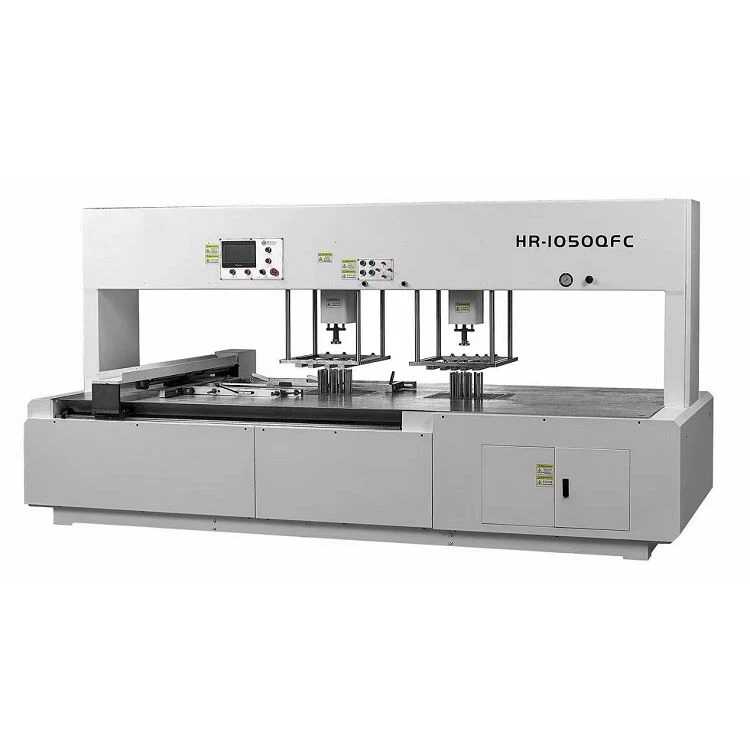

For metal cutting, a lower cutting speed is usually recommended. Our HR-1050QFC Automatic Blanking Machine is equipped with advanced speed control features that allow you to fine-tune the cutting speed according to the type and thickness of the metal. By reducing the speed, you give the blade more time to cut through the material without overexerting itself. This not only extends the lifespan of the blade but also ensures a more precise and clean cut.
Thick plastics also fall into the category of materials that require a slower cutting speed. Unlike soft plastics, thick plastics are more rigid and can crack or chip if cut too quickly. By adjusting the speed to a lower setting, you can minimize the risk of damage and achieve a better-quality cut.
Another factor to consider when adjusting the cutting speed is the thickness of the material. Generally, thicker materials require a slower cutting speed than thinner ones. This is because the blade needs more time to penetrate through the additional layers of material. For example, if you're cutting a thick sheet of metal, you'll need to set the speed lower than if you were cutting a thin strip.
In addition to material type and thickness, the type of cutting blade also plays a role in determining the optimal cutting speed. Different blades are designed for specific materials and cutting applications. For example, a carbide blade is better suited for cutting hard materials like metal, while a high-speed steel blade may be more appropriate for softer materials. Make sure to choose the right blade for the job and adjust the cutting speed accordingly.
Now that we've covered the basics of adjusting the cutting speed according to different materials, let's talk about some practical tips for getting the best results. First, always refer to the manufacturer's guidelines for your automatic blanking machine. These guidelines provide valuable information on the recommended cutting speeds for different materials and blade types.
Second, conduct test cuts on a small piece of the material before starting a large production run. This allows you to fine-tune the cutting speed and make any necessary adjustments based on the actual cutting performance. Pay attention to the cut quality, such as the smoothness of the edges and the presence of any burrs or chips.
Finally, regular maintenance of your automatic blanking machine is essential for optimal performance. Keep the cutting blade sharp and clean, and lubricate the moving parts as recommended. A well-maintained machine will not only cut more efficiently but also last longer.
In conclusion, adjusting the cutting speed of an automatic blanking machine according to different materials is a critical skill that can make a big difference in the quality and efficiency of your blanking operations. By understanding the characteristics of different materials, choosing the right blade, and following the manufacturer's guidelines, you can ensure that your machine is operating at its best.
If you're in the market for an automatic blanking machine or need more information on how to optimize its performance, don't hesitate to get in touch with us. We're here to help you find the right solution for your specific needs and provide you with the support and expertise you need to succeed.
References
- General knowledge and experience in the automatic blanking machine industry.


